Understanding Gochujang: The Key Ingredient
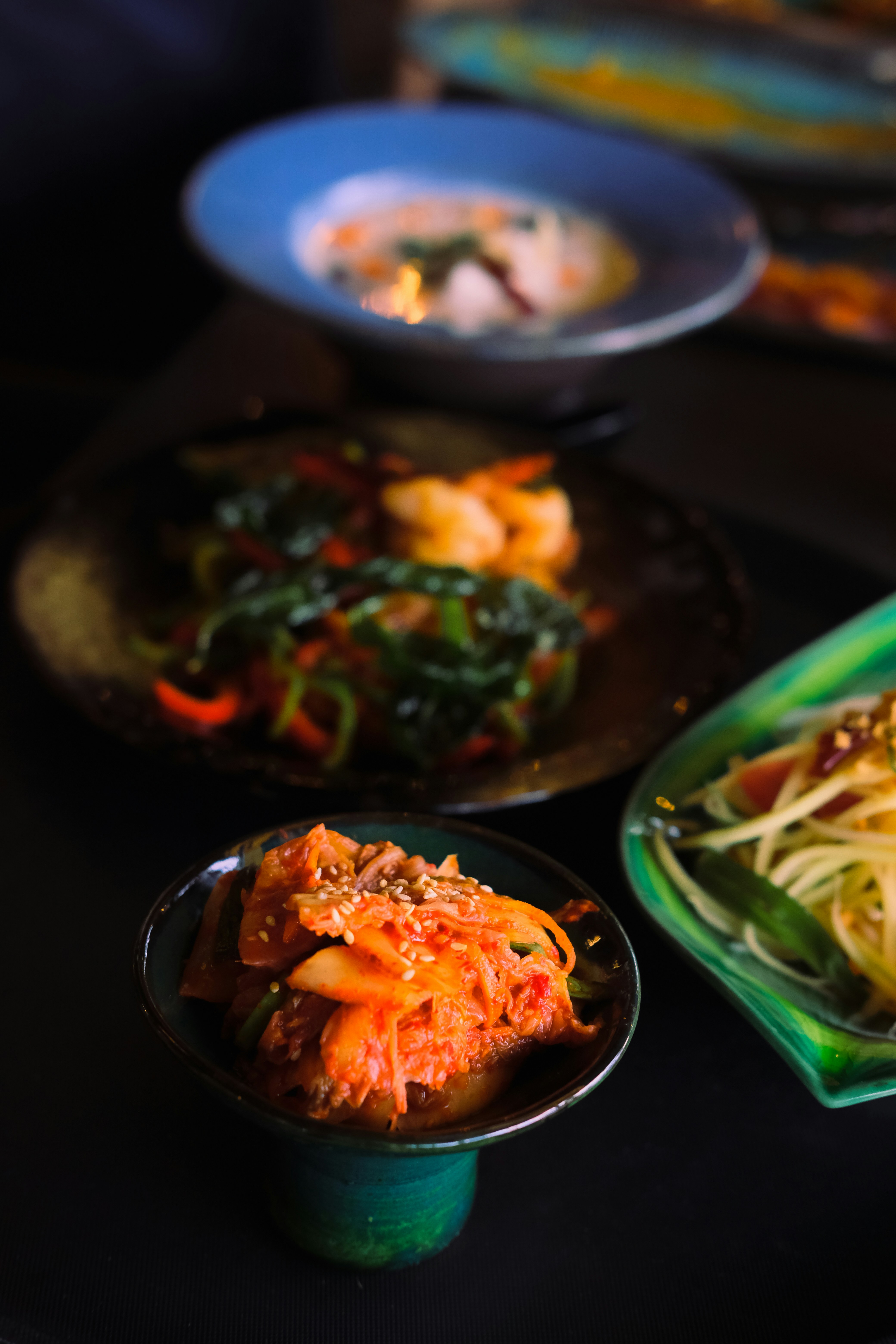
Gochujang is a traditional Korean fermented chili paste that has gained popularity worldwide due to its unique flavor profile and versatility in various dishes. The origins of gochujang can be traced back to Korea, where it has been a staple in Korean cuisine for centuries. This fermented condiment is made from a combination of red chili powder, glutinous rice, fermented soybeans, and salt, resulting in a thick, rich paste that embodies a harmonious blend of sweetness, spice, and umami. Not only does gochujang add depth to dishes, but it also provides a distinctive complexity that sets it apart from other condiments.
The flavor of gochujang is both bold and multifaceted, with a spicy kick balanced by a subtle sweetness that complements a variety of ingredients. When paired with salmon, the sweetness from the glaze enhances the fish’s natural flavors, while the spiciness adds a delightful contrast. This synergy between the gochujang and salmon creates a dish that is not only visually appealing but also tantalizing to the palate. It is this unique flavor combination that makes gochujang an essential ingredient in achieving the perfect glaze for salmon.
When selecting gochujang for your recipe, it is crucial to look for high-quality options that possess a rich color and a well-balanced flavor profile. Authentic gochujang should have a smooth texture, indicating proper fermentation and quality ingredients. Additionally, opting for naturally fermented gochujang can enhance the overall taste and complexity of your dish. By understanding the characteristics of gochujang and its impact on salmon, you can elevate your culinary skills and create a memorable dining experience.
Choosing the Right Salmon and Preparing It
Selecting the appropriate type of salmon is crucial for creating a delectable gochujang-glazed salmon dish. There are several varieties of salmon available in the market, notably Atlantic, sockeye, king, and coho salmon. Each type possesses unique flavor profiles and textures, impacting the overall outcome of your recipe. Atlantic salmon is commonly farmed and renowned for its rich, buttery flavor, making it a popular choice for many home cooks. In contrast, sockeye salmon is known for its robust taste and vibrant red color, while king salmon offers an exceptional fat content that provides a luxurious mouthfeel.
When choosing salmon, freshness is paramount. Look for fillets that have a bright, consistent color with minimal browning or discoloration. The flesh should be firm to the touch and moist, and it is often a good indicator of quality if it smells mildly of the ocean without a strong fishy odor. For grilling or baking, selecting skin-on salmon can enhance the dish, as the skin acts as a protective barrier that helps lock in moisture and flavor during the cooking process. Skinless options are also available, yet they may dry out more quickly without this layer.
Consider the source of the salmon as well. Wild-caught salmon typically has a firmer texture and richer flavor compared to farmed salmon, due to its natural diet and habitat. However, farmed salmon is more accessible and often more affordable. Regardless of the type you choose, pre-preparation steps such as marinating can significantly elevate the dish. A simple marinade using ingredients that complement the gochujang glaze can add depth and enhance the salmon’s flavor profile. One effective method is to marinate the salmon for at least 30 minutes before cooking, allowing the flavors to penetrate the fish while ensuring an irresistible end result.
Crafting the Gochujang Glaze
Creating a rich and flavorful gochujang glaze is a delightful process that entails a careful balance of ingredients, each contributing a unique element to the final dish. At the core of the glaze is gochujang, a fermented Korean chili paste that imparts a subtle heat and depth of flavor. To complement the spiciness of the gochujang, one can incorporate honey, which not only adds sweetness but also enhances the overall harmony of flavors.
To craft the perfect glaze, begin by combining three tablespoons of gochujang with two tablespoons of honey in a mixing bowl. This initial mixture lays the groundwork for the desired balance of sweet and spicy. Next, introduce soy sauce into the equation; about two tablespoons will suffice. The soy sauce lends a savory umami note that rounds out the glaze, making it more complex and appealing.
Adding a teaspoon of sesame oil will contribute a nutty aspect to the glaze, enhancing its depth. Additionally, minced garlic and grated ginger offer fresh dimensions, with the garlic bringing pungency and the ginger adding warmth. Incorporating approximately one clove of minced garlic and a teaspoon of grated ginger will enrich the flavor profile significantly.
For those desiring to tailor the sweetness or spiciness of the glaze, adjustments can be easily made. If a sweeter glaze is preferred, an extra half tablespoon of honey can be added. Similarly, to elevate the spice level, consider incorporating a pinch of red pepper flakes or a dash of sriracha. Whipping up this gochujang glaze not only enhances the salmon but also opens a pathway to explore various flavor combinations, making each culinary experience unique.
Cooking Methods for Gochujang-Glazed Salmon
When preparing a gochujang-glazed salmon, the choice of cooking method can significantly impact the flavor and texture of the dish. Three popular methods include grilling, baking, and pan-searing, each offering unique benefits and requiring specific cooking times and temperatures to achieve that perfect glaze and flaky consistency.
Grilling is a favored technique that imparts a smoky flavor to the salmon, enhancing the sweet and spicy notes of the gochujang. For grilling, preheat your grill to medium-high heat, approximately 400°F (200°C). Once ready, apply the gochujang glaze generously over the salmon fillets. Grill the salmon for about 6 to 8 minutes per side, depending on the thickness of the fillets. Be cautious not to overcook, as salmon can dry out quickly. The ideal internal temperature should reach 145°F (63°C). A light drizzle of sesame oil just before serving can enhance the visual appeal and flavor.
Baking is another excellent method to maintain moistness while achieving the flavorful glaze. Preheat the oven to 375°F (190°C) and line a baking sheet with parchment paper. Place the salmon skin-side down and brush the gochujang mixture evenly over the top. Bake for 15 to 20 minutes, keeping an eye on the fillets to prevent overcooking. An optional step is to broil the salmon for the last 2 to 3 minutes for a caramelized finish that enhances both taste and appearance.
Lastly, pan-searing offers a quick method to create a crispy exterior while locking in the moistness. Heat a tablespoon of oil in a skillet over medium heat, then add the salmon fillets, skin-side down. Cook for approximately 4 to 5 minutes, then flip the fillets and add the gochujang glaze. Cook for another 4 minutes until the salmon reaches the appropriate temperature. Serve with a sprinkle of chopped green onions or sesame seeds for an attractive presentation.
By utilizing these cooking methods, you can create a visually stunning and delicious gochujang-glazed salmon dish that is sure to impress at any meal.