Introduction to Nigerian Cuisine
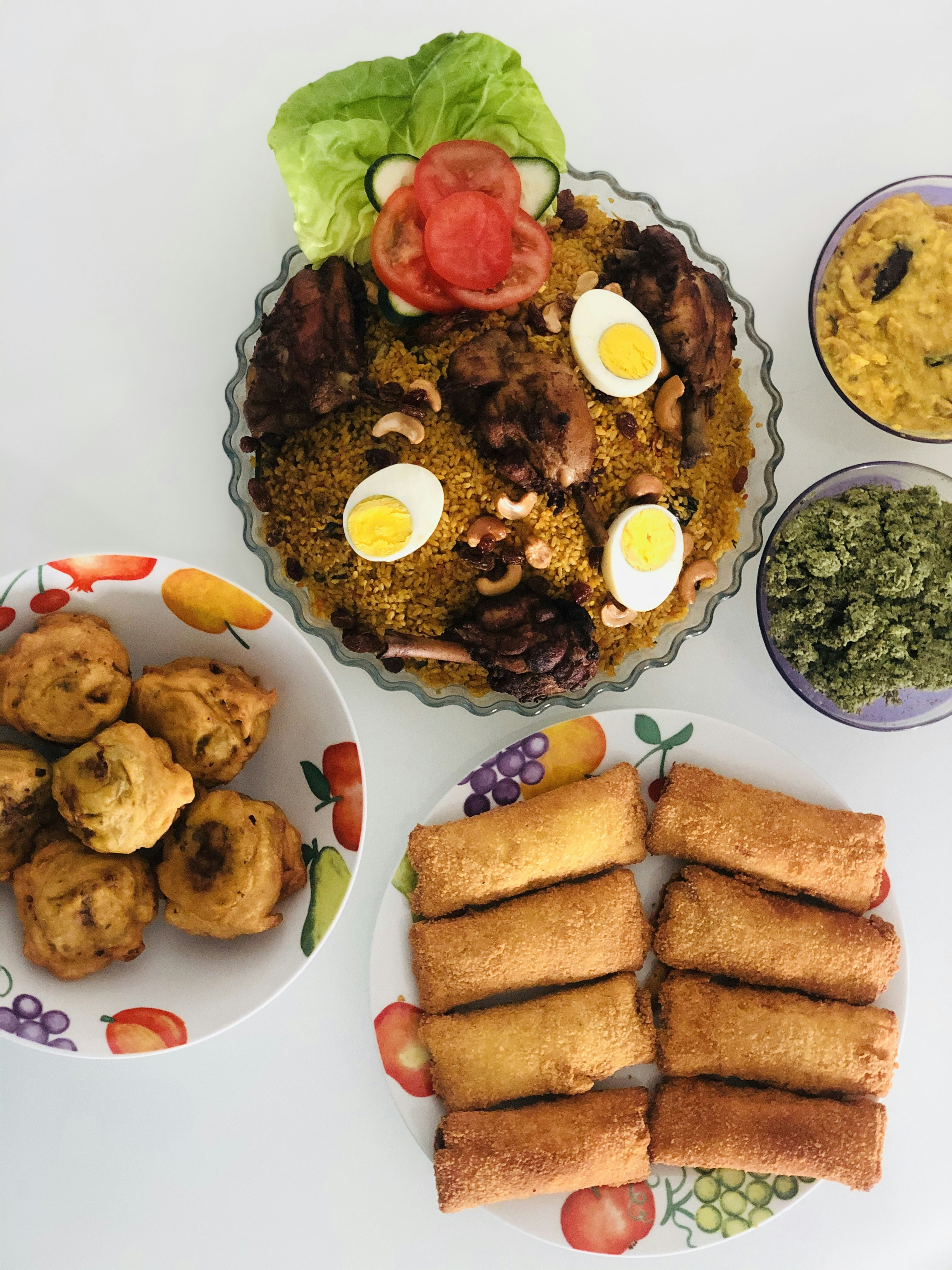
Nigerian cuisine is rich and diverse, offering a variety of dishes that tantalize the taste buds. Known for its bold flavors and colorful presentation, Nigerian food plays a significant role in the culture and lifestyle of the country. For anyone looking to venture into the food business or expand their palate, knowing the top Nigerian dishes is crucial.
Nigeria’s cuisine is a celebration of culture, community, and creativity. Each dish tells a story—whether it’s the smoky scent of Jollof Rice drifting through a family gathering or the comforting warmth of a spicy Egusi Soup on a rainy day.
🥘 1. Jollof Rice
(Insert image: Pot of red-orange Jollof rice with grilled chicken and fried plantains)
A West African favorite! Made with tomatoes, peppers, onions, and spices, Jollof Rice is flavorful, colorful, and often the centerpiece at every celebration.
🍛 2. Nigerian Fried Rice
Golden rice cooked with liver or shrimp, vegetables, and seasonings. Best served with fried chicken and chilled drinks at festive occasions.
🍲 3. Egusi Soup
Nutty, hearty, and rich. Made from melon seeds and spinach, Egusi Soup is traditionally paired with pounded yam for the perfect comfort meal.
🍠 4. Pounded Yam and Egusi
Soft, stretchy, and smooth, Pounded Yam complements soups like Egusi or Ogbono beautifully. It’s pure Nigerian comfort food.
🌿 5. Efo Riro (Spinach Stew)
A Yoruba favorite bursting with flavor — made from spinach, tomatoes, bell peppers, and assorted meats cooked in palm oil.
🐟 6. Afang Soup
From Cross River State, Afang Soup combines Afang and waterleaf for a green, earthy delight with periwinkles and smoked fish.
🥣 7. Okra Soup (Draw Soup)
Slimy, spicy, and satisfying! Okra Soup is simple yet deeply nourishing — best enjoyed with garri or semovita.
🥥 8. Ogbono Soup
Ground wild mango seeds create a thick, drawy texture. Add meats, stockfish, and palm oil for a deeply traditional flavor.
🍘 9. Moi Moi (Steamed Bean Pudding)
A protein-rich steamed pudding made from beans, peppers, and onions — perfect for breakfast or as a side dish with rice.
🍢 10. Akara (Bean Cakes)
Crispy on the outside, soft on the inside — Akara is the ultimate street breakfast, paired with pap or fresh bread.
🌶️ 11. Pepper Soup
Spicy and aromatic, Pepper Soup is made with goat meat, chicken, or fish. Its fiery broth is known for its healing comfort.
🍖 12. Suya
(Insert image: Spicy beef skewers with onions and tomatoes)
Nigeria’s favorite night-time snack — grilled beef coated in peanut chili spice, smoky and irresistible.
🍚 13. Ofada Rice and Ayamase (Ofada Stew)
A smoky green pepper sauce rich in palm oil and assorted meats served with unpolished Ofada rice. Spicy, bold, and authentic.
🥬 14. Banga Soup
Made from palm nut extract, this Delta delicacy is thick, nutty, and full of flavor. Best enjoyed with starch or rice.
🐠 15. Nsala Soup (White Soup)
Light, peppery, and fresh. Nsala Soup is a catfish-based delicacy from Eastern Nigeria, often thickened with yam.
🦶 16. Nkwobi
A spicy cow-foot dish served in palm oil and utazi leaves. Creamy, peppery, and best paired with a cold drink!
🍲 17. Ukodo (Yam Pepper Soup)
Yam chunks simmered with goat meat in spicy broth — hearty and warming for cozy evenings.
🫘 18. Ewa Agoyin (Mashed Beans with Pepper Sauce)
Mashed beans topped with smoky, spicy red pepper sauce — a Lagos street favorite. Serve with fried plantain or bread.
🍅 19. Ofe Akwu (Palm Nut Stew)
Rich and flavorful, this palm nut stew is the Igbo version of Banga Soup, usually served with white rice or yam.
🍚 20. Tuwo Shinkafa and Miyan Kuka
A Northern Nigerian duo — soft rice pudding (Tuwo) with baobab leaf soup (Miyan Kuka). Earthy and truly traditional.
✨ Final Thoughts
From the fiery taste of Ayamase to the smooth comfort of Pounded Yam, Nigerian cuisine is as diverse as its people. Each dish carries warmth, love, and heritage. Whether you’re a home cook or a food enthusiast, there’s a Nigerian dish waiting to win your heart.
Conclusion
These top 20 Nigerian dishes not only highlight the country’s culinary diversity but also represent the rich cultural heritage that can attract both locals and tourists. Recognizing which dishes resonate with the public allows entrepreneurs to venture confidently into the vibrant world of Nigerian cuisine.